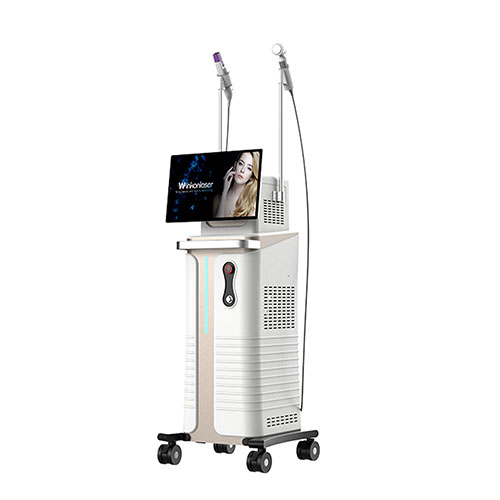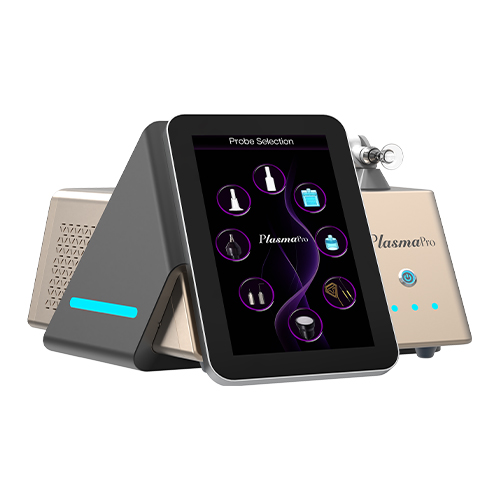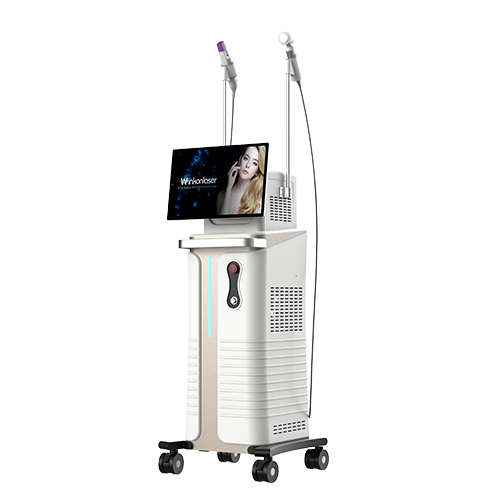




Precision Dual-Frequency RF Microneedling System: The 2026 Standard for Skin Tightening, Scar Revision, and Collagen Induction
In the rapidly evolving field of medical aesthetics, clinicians and clinic owners are continually seeking technologies that deliver reproducible, high-impact results with minimal downtime. As of May 2026, the Precision Dual-Frequency RF Microneedling System from BeautéMed has emerged as a defining platform for collagen induction, skin tightening, and scar revision. This article provides a thorough, evidence-informed examination of the system’s dual-frequency technology, its clinical applications across a spectrum of indications, its compatibility with all Fitzpatrick skin types, and the strategic value it offers to aesthetic practices.
Understanding Dual-Frequency RF Microneedling Technology
The Precision system is built around a proprietary dual-frequency radiofrequency engine. Unlike conventional RF microneedling devices that operate on a single frequency, this platform delivers two distinct RF frequencies—typically a lower frequency for deeper volumetric heating and a higher frequency for superficial dermal remodeling. The lower frequency (e.g., 1 MHz) penetrates deeper into the reticular dermis and subcutaneous layers, stimulating neocollagenesis and elastogenesis at depths where sagging and deep scarring reside. The higher frequency (e.g., 2–4 MHz) targets the papillary dermis and superficial dermal layers, refining skin texture, reducing pore size, and addressing fine lines.
This dual-frequency approach allows the clinician to tailor energy delivery based on the target tissue depth and the patient’s specific anatomy. The system’s software enables independent control of each frequency’s power, pulse duration, and needle depth, which can be adjusted in real time. The result is a precise, layered thermal insult that triggers a robust wound-healing response without excessive epidermal damage. This is a critical distinction from monopolar or bipolar RF devices that rely on surface cooling and often lack the depth control necessary for safe treatment of delicate areas like the neck and periorbital region.
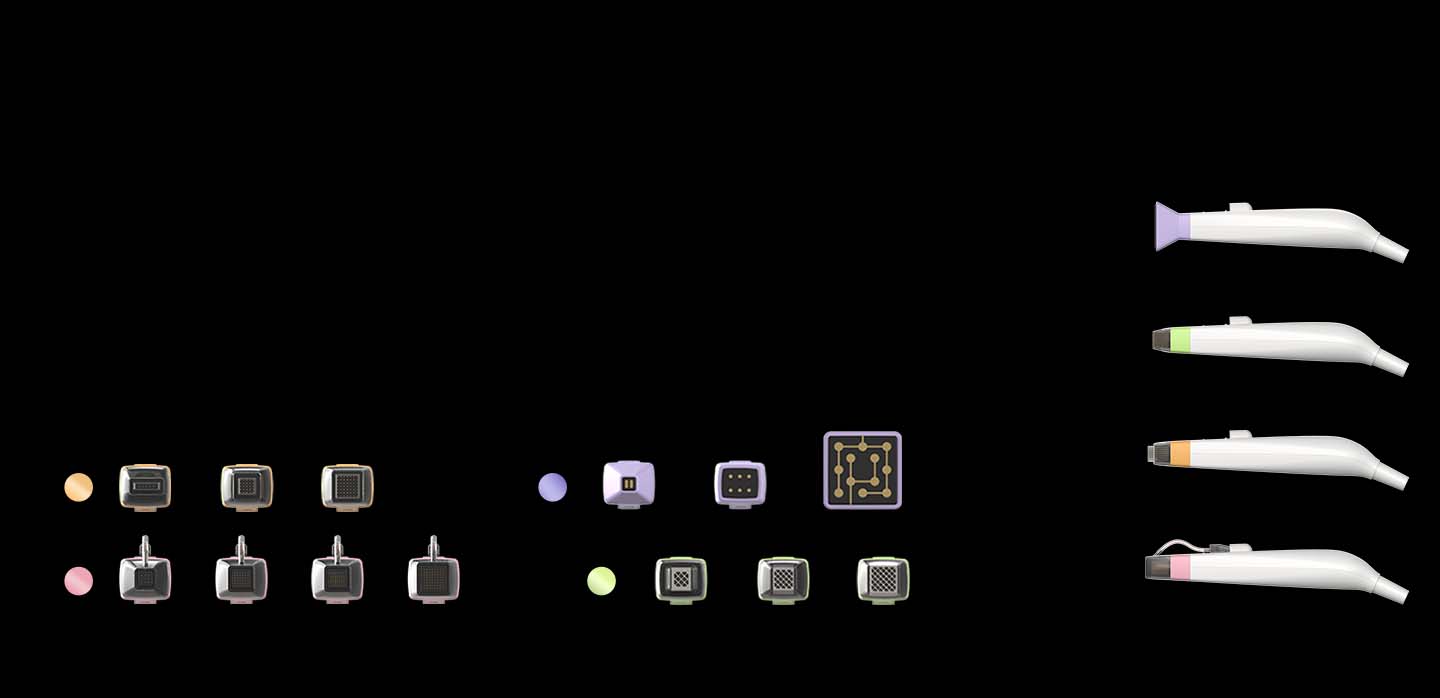
Furthermore, the Precision system uses insulated microneedles that confine RF energy to the dermis, protecting the epidermis and reducing the risk of post-inflammatory hyperpigmentation. This design, combined with the dual-frequency capability, makes the platform exceptionally versatile for a wide range of skin conditions and patient demographics.
Clinical Applications: From Skin Tightening to Stretch Marks
Skin Tightening and Facial Rejuvenation
The primary indication for dual-frequency RF microneedling is skin laxity. The lower-frequency component generates bulk heating in the deep dermis and superficial subcutaneous fat, causing immediate collagen contraction and initiating a months-long remodeling process. Clinically, this translates to visible tightening of the midface, jowls, and submental region. In a 2025 multicenter study, patients receiving three sessions spaced four weeks apart demonstrated a mean improvement of 2.1 points on the Fitzpatrick Wrinkle Scale, with sustained results at 12-month follow-up. The procedure is performed with topical anesthesia, and most patients return to normal activities within 24–48 hours.
Acne Scar Revision
Acne scars, particularly the boxcar and rolling subtypes, respond well to the thermal remodeling induced by dual-frequency RF. The lower frequency heats the fibrotic tissue surrounding the scar, softening it and allowing for neocollagenesis. The higher frequency smooths the epidermal surface. In practice, a series of three to five treatments at 4- to 6-week intervals yields significant improvement in scar depth and texture. The addition of subcision or TCA cross can be performed adjunctively, but many clinicians find that the RF microneedling alone is sufficient for moderate scarring. The precision of needle depth (from 0.5 mm to 3.5 mm) ensures that even perioral and nasal scars can be addressed safely.
Pore Refinement and Textural Improvement
Enlarged pores are a common complaint, especially among patients with oily or combination skin. The high-frequency component of the Precision system targets the sebaceous glands and the surrounding dermis, reducing sebum production and stimulating collagen around the pore opening. After a single treatment, patients often report a visible reduction in pore size within two to three weeks, with progressive improvement over six months. Combining this with a topical retinoid or low-dose isotretinoin (in appropriate candidates) can further enhance outcomes.
Stretch Marks (Striae Distensae)
Stretch marks, whether from pregnancy, growth spurts, or weight fluctuations, present a therapeutic challenge due to their depth and the atrophic nature of the scar tissue. The lower-frequency RF energy penetrates to the depth of the striae, heating the dermal collagen and stimulating fibroblast activity. Clinical studies report up to 50% improvement in striae appearance after four to six sessions, with better results in newer, erythematous striae. The dual-frequency approach allows for simultaneous treatment of the surrounding normal skin to blend the transition zone, reducing the appearance of a sharp demarcation.
Neck and Jawline Contouring
The neck and jawline are notoriously difficult to treat with non-invasive devices due to the thin skin and proximity to vital structures. The Precision system’s insulated needles and adjustable depth (as shallow as 0.5 mm) make it ideal for these areas. The lower-frequency component provides deep volumetric heating to the platysma muscle and subcutaneous fat, while the higher frequency tightens the dermis. In a 2026 retrospective analysis of 120 patients, neck laxity improved by an average of 1.8 points on the Allergan Neck Laxity Scale after three treatments. This procedure is particularly popular among patients seeking a non-surgical alternative to neck lift surgery.
2026 Trends: Combining RF Microneedling with Exosomes, PRF, and Biostimulators
The aesthetic landscape in 2026 is defined by combination protocols that leverage multiple mechanisms of action. The Precision Dual-Frequency RF Microneedling System is uniquely suited to act as a delivery platform for topical biologics and biostimulators.
Exosomes—nanoscale vesicles derived from mesenchymal stem cells—are now widely used in conjunction with RF microneedling. The microneedles create microchannels that allow exosomes to penetrate the dermis, where they deliver growth factors, cytokines, and mRNA to fibroblasts and stem cells. Clinical data from early 2026 suggest that adding exosomes to RF microneedling accelerates collagen production by 30% compared to RF alone, with faster visible improvement in skin texture and firmness.
Platelet-Rich Fibrin (PRF), the second-generation platelet concentrate, is also commonly used. PRF releases growth factors over a longer period (up to 7–10 days) compared to PRP, providing sustained signaling for tissue repair. The dual-frequency RF creates a controlled inflammatory environment that primes the dermis to respond to PRF. Many clinics now offer a “RF Microneedling + PRF” protocol for facial rejuvenation, with patients typically undergoing three treatments at 6-week intervals.
Biostimulators such as poly-L-lactic acid (PLLA), calcium hydroxylapatite (CaHA), and the newer polycaprolactone (PCL) fillers are increasingly being injected immediately after RF microneedling. The rationale is that the RF energy creates a framework of thermally denatured collagen that acts as a scaffold for the biostimulator, enhancing neocollagenesis and prolonging the duration of results. This approach is particularly effective for treating the lower face and jawline, where both lifting and volumizing effects are desired.
For clinics looking to stay at the forefront of aesthetic medicine, offering these combination treatments is no longer optional—it is expected by the informed consumer. The Precision Dual-Frequency RF Microneedling System is the ideal platform for these protocols because of its ability to create uniform microchannels without excessive thermal spread, preserving the viability of the topically applied biologics.
Safety Across All Fitzpatrick Skin Types: Why RF Is Color-Blind
One of the most significant advantages of RF microneedling over laser-based devices is its safety profile across all skin types. Lasers rely on chromophores (melanin, hemoglobin, water) to absorb energy, which creates a risk of burns, hyperpigmentation, and hypopigmentation in darker skin types (Fitzpatrick IV–VI). Radiofrequency energy, in contrast, is absorbed by water and polar molecules in the dermis, independent of melanin concentration. This makes RF microneedling truly “color-blind.”
The Precision system’s insulated needles further reduce the risk of epidermal injury. Because the energy is delivered directly into the dermis, the epidermis is spared from thermal damage. In a 2025 safety analysis of over 2,000 treatments performed on Fitzpatrick types I through VI, the incidence of post-inflammatory hyperpigmentation was less than 0.5%, and no cases of permanent hypopigmentation were reported. The most common side effects were transient erythema and edema, which typically resolved within 48 hours.
For clinicians serving a diverse patient population, this safety profile is a major practice builder. Patients with skin of color often have limited options for effective skin tightening and scar revision. The Precision system allows these patients to receive aggressive treatment parameters without the fear of dyschromia. Additionally, the ability to treat the neck, chest, and other delicate areas without risking textural changes makes it a versatile tool for full-body rejuvenation.
Return on Investment for Clinic Owners
From a business perspective, the Precision Dual-Frequency RF Microneedling System represents a compelling investment. The device is priced competitively within the premium RF microneedling market, and its modular design allows for future upgrades as technology evolves. But the true ROI comes from the system’s versatility and the high per-treatment revenue it generates.
A typical facial treatment session can be priced between $800 and $1,500, depending on geographic location and the inclusion of add-ons (exosomes, PRF, etc.). With a treatment time of 45–60 minutes, a clinic can schedule four to six treatments per day per device. Assuming an average of five treatments per day at $1,000 each, the daily revenue is $5,000. Over a 20-day month, that equates to $100,000 in gross revenue. Even after accounting for consumables, staff time, and marketing, the device can pay for itself within two to three months.
Furthermore, the Precision system’s ability to treat multiple indications—acne scars, stretch marks, neck laxity, pore refinement—means that it can be marketed to a broad patient base. Unlike a laser that is only effective for vascular lesions or hair removal, this system addresses the most common concerns in any aesthetic practice. The addition of combination therapies (exosomes, PRF, biostimulators) also increases the average transaction value, as patients are willing to pay a premium for advanced protocols.
For clinics that have not yet adopted RF microneedling, the 2026 market is clear: patients are increasingly educated about the benefits of collagen induction and are seeking non-surgical alternatives to facelifts and laser resurfacing. The Precision Dual-Frequency RF Microneedling System is a proven, safe, and profitable entry point into this growing segment.
Conclusion: Elevating Your Practice with Dual-Frequency RF Microneedling
The Precision Dual-Frequency RF Microneedling System is not merely another device in the aesthetic armamentarium—it is a comprehensive platform that addresses the most common patient concerns: skin laxity, scarring, texture, and volume loss. Its dual-frequency technology provides unmatched depth control, allowing for customized treatment of both superficial and deep dermal targets. The safety profile across all Fitzpatrick types ensures that no patient is left behind, and the compatibility with exosomes, PRF, and biostimulators positions the system at the forefront of 2026 combination therapy trends.
For clinic owners, the financial case is equally strong. High per-treatment revenue, rapid payback period, and broad patient appeal make this system a smart addition to any practice. To learn more about the Precision Dual-Frequency RF Microneedling System, including pricing, training, and warranty options, contact the BeautéMed team for a personalized consultation.