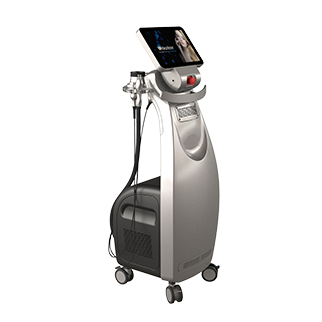




The Body Contouring Treatment That Does Not Kill Fat Cells — And Why That Matters
About three months ago, a clinic owner in Toronto called me with a question that I’ve heard at least a dozen times this year. She had a room full of equipment — IPL, diode laser, microneedling, a fairly new HIFU system — and patients were happy enough. But she’d noticed something. Her body contouring bookings were flat. Not declining, just not growing. Meanwhile, the medi-spa two streets over had a six-week waiting list for something called “ultrasonic cavitation” that she’d dismissed years ago as a gimmick. “What am I missing?” she asked.
The answer was simpler than she expected. She wasn’t missing a machine. She was missing the right conversation with her patients. Most clinic owners think of fat reduction as a pyramid — diet and exercise at the bottom, non-invasive treatments in the middle, surgery at the top. But patients don’t think that way. They think in terms of what they’re willing to do this month. And for a growing number of them — especially the ones who’ve tried coolsculpting and found it uncomfortable, or looked into liposuction and flinched at the price — ultrasonic cavitation sits in exactly the right spot: effective enough to see, gentle enough to tolerate, affordable enough to buy as a course.

What Ultrasound Actually Does to Fat
Most explanations of ultrasonic cavitation make it sound like magic — sound waves that “melt” fat. That’s marketing language, not biology. What actually happens is more interesting and more honest. A cavitation transducer emits low-frequency ultrasound — typically around 40kHz — into the subcutaneous fat layer. The sound waves create alternating compression and expansion cycles in the interstitial fluid between fat cells. During the expansion phase, dissolved gases in the fluid form microscopic bubbles. When the compression phase hits, those bubbles collapse violently. The implosion generates a tiny shockwave — and when enough of these micro-implosions happen near a fat cell membrane, the membrane develops temporary pores.
This is the key distinction between cavitation and cryolipolysis. Cryolipolysis kills fat cells through controlled cold injury. The cells die, the immune system clears them over weeks, and the treated area permanently loses some of its adipocyte population. Cavitation doesn’t kill anything. It temporarily opens fat cell membranes and lets triglycerides leak out. The cells stay alive. The lymphatic system clears the released lipids over 48 to 72 hours. If the patient gains weight after treatment, those same fat cells can fill up again. This is why cavitation works best as part of a course — six to ten sessions plus lifestyle maintenance — rather than as a one-off procedure.
The Patient Who Actually Benefits
I’ve watched enough treatments now to say this with confidence: cavitation works best on the patient who has localized, pinchable fat in areas that resist diet and exercise — flanks, lower abdomen, inner thighs, upper arms. It doesn’t work well on diffuse obesity or visceral fat, which sits behind the abdominal wall and is inaccessible to external ultrasound. It also doesn’t work on fibrous fat, which has too much connective tissue for the cavitation bubbles to form effectively.
This is important because it means patient selection is everything. A cavitation device in the hands of someone who screens properly will produce enthusiastic, rebooking patients. The same device in the hands of someone who puts everyone on the table and hopes for the best will produce mediocre results and a reputation for being “one of those gimmicky machines.” The clinics I’ve seen succeed with cavitation are the ones that measure baseline circumference, take before photos, and are honest when a patient isn’t a good candidate. Saying “this treatment isn’t right for you” builds more long-term trust than doing a bad treatment and hoping the patient doesn’t notice.
What a Session Actually Feels Like
Patients describe the sensation as a warm, slightly buzzing feeling — not painful, but not nothing. The transducer head produces an audible high-pitched whine during treatment, which some patients find odd the first time. After a session, the treated area looks red and feels warm, similar to having exercised. There’s often mild swelling from the lymphatic fluid moving through the area. Patients are instructed to drink a lot of water — at least a liter in the hour after treatment — and do some light activity to keep the lymphatic system moving. No compression garments, no recovery time, no restrictions.
Results are measured in centimeters, not kilograms. A good outcome from a full course of cavitation on the abdomen is two to five centimeters of circumference reduction. That might not sound like much, but on a waist measurement, two centimeters is visible and five centimeters is transformative. Patients notice when their jeans fit differently. They don’t always notice the number on the scale not moving much. This is another reason to measure rather than weigh — the scale doesn’t capture the contour change that cavitation produces.
Where Cryolipolysis and Cavitation Overlap
Many clinics now offer both cavitation and cryolipolysis and position them as complementary rather than competing. Cryolipolysis is for the patient who wants a more dramatic, permanent reduction in one specific area and is willing to tolerate some post-treatment soreness and a longer wait for results. Cavitation is for the patient who wants gradual improvement across multiple areas with zero discomfort and no downtime. Some clinics do cryolipolysis first to reduce the bulk of the fat in a problem area, then finish with cavitation to smooth and refine the contour.
From a business perspective, having both modalities means capturing patients at different points in their decision-making process. The patient who isn’t ready for cryolipolysis — too nervous, too busy, too budget-conscious — might be perfectly happy with a cavitation course. And the patient who does a cavitation course and wants more dramatic results is now pre-qualified and pre-trusting for cryolipolysis. The two technologies feed each other in a way that single-modality clinics can’t replicate.
The Practical Side of Adding Cavitation
A professional cavitation machine costs somewhere between two and six thousand dollars — significantly less than cryolipolysis or laser lipo systems. Consumable costs are near zero, limited to ultrasound gel and cleaning supplies. A single session sells for eighty to a hundred and fifty dollars depending on the market and the area being treated. At three sessions a day, five days a week, the device pays for itself within a month. After that, the margin on each session is roughly ninety-five percent. There aren’t many aesthetic treatments with that kind of unit economics.
The main operational cost is staff training — not because cavitation is difficult to perform, but because proper patient screening and expectation management require judgment that only comes with experience. The best investment you can make after buying the device is having an experienced practitioner spend a day training your team on who to treat, who to turn away, and how to communicate realistic outcomes to patients who’ve been oversold by Instagram before they even walked in your door.
The Toronto clinic owner I mentioned at the beginning? She bought a cavitation system two weeks after our conversation. Six weeks later, she’d run forty-seven sessions across twenty-two patients. Seven of those patients had previously said no to cryolipolysis and would have walked out without booking anything. Four booked additional treatments — RF skin tightening, mostly — after completing their cavitation course. The device added about four thousand dollars a month in incremental revenue, not counting the follow-on treatments it generated. The machine paid for itself in six weeks. The rest is margin, and patients who feel like someone finally offered them an option that fit their life.
If you’re evaluating whether cavitation makes sense for your practice, the question isn’t whether the technology works — the physics is sound and the clinical evidence is solid. The question is whether you have enough patients in that middle ground between “I’m curious” and “I’m ready for something serious.” In most markets, that’s a lot of people. The BeauteMed team can help you figure out the right configuration and expected ROI for your specific clinic volume and patient demographics.